

Newsroom
14.10.2026
How an EMAS Bed Is Engineered: What Determines Its Length and Depth
Every EMAS bed looks the same from the runway. Underneath, no two are alike.
Length and depth aren’t standardized. They’re calculated. Three main variables drive the design: available space beyond the runway end, site topography, and the aircraft fleet mix the airport actually operates.
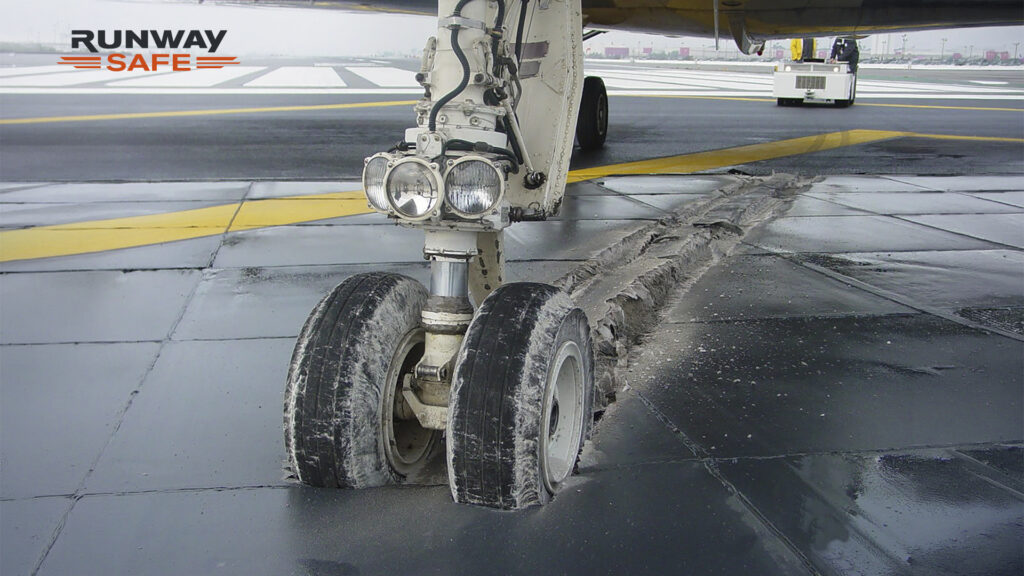
EMAS is designed to collapse under the weight of an aircraft’s landing gear. As an aircraft rolls onto the system, the engineered material crushes in a controlled manner, absorbing the aircraft’s kinetic energy and bringing it to a stop within a short, predictable distance.
Where a traditional Runway End Safety Area (RESA) requires up to 240 meters, an EMAS installation can reduce that need to 140 meters or less depending on the fleet mix. For airports constrained by terrain, water, roads, or other obstacles, that difference often determines whether full RESA compliance is achievable at all. In the USA, the FAA requires a 1000 feet long Runway Safety Area, which is almost identical to the 240 meters RESA plus 60 meter runway strip.
Fleet mix matters because the bed has to perform across the full range of aircraft using the runway, not just its heaviest or most frequent type. An EMAS designed for a narrow-body fleet won’t behave the same way under a wide-body aircraft overrun. Getting the fleet mix input right at the design stage is what makes the bed perform as intended when it’s needed.
Same engineering principles, every installation. Different bed, every time.
Share the EMAS spec detail your team gets asked about most.

Business Area manager, Runway Safe Group.
Trip works with airports and defense customers throughout the specification and procurement process, from initial technical questions to final system selection. He is part of the Runway Safe team.

03.11.2023
EMAS Aircraft Arresting System | Safeguarding Runway Safety and Economic Viability
In the fast-paced world of aviation, safety is paramount. The consequences of a runway overrun can be devastating, not only in terms of human lives but also economically. Have you ever considered the impact of an overrun? The answer is not as simple as it may seem.
Read more
23.10.2023
EMAS Maintenance Cost: How to Preserve Your Investment
As an airport operator, investing in an Engineered Materials Arrestor System (EMAS) is crucial to ensure passengers' safety. EMAS is an innovative safety strategy that prevents aircraft overruns and is designed to stop an airplane in the event of a runway overrun or undershoot. However, like any investment, proper maintenance is crucial to preserving its effectiveness and prolonging its lifespan.
Read more
13.10.2023
The Hidden Costs of Runway Excursions: Beyond Financial Implications to Brand Reputation
Runway excursions pose significant safety risks in aviation, but the consequences extend beyond immediate physical damage and potential injuries. The financial costs associated with these incidents are substantial, encompassing not only direct expenses but also indirect losses linked to brand reputation. This article delves into the multifaceted costs of runway excursions, exploring both the financial […]
Read more02.10.2023
Runway Safe Group initiate partnership with SARSYS-ASFT
Runway Safe is pleased to announce that we will be the exclusive distributor in North America for the SARSYS-ASFT product suite. With this partnership Runway Safe will enhance the protection of the runway environment with Continuous Friction Measuring Equipment (CFME), Runway Weather Information System (RWIS), Multi Information Data Assessment System (MIDAS), SNAp 2.0 – For […]
Read more
22.09.2023
Runway Safe’s arresting system EMAS, is expected to be perfect when an imperfect event occurs.
Safety can never be compromised when a runway excursion occurs! Safety is our mission! Our priority is to improve airport operational safety in the event of an aircraft runway excursion. Excursions are the most common type of aviation accident worldwide. Almost one out of four aviation accidents involve a runway excursion. However, excursions are one […]
Read more